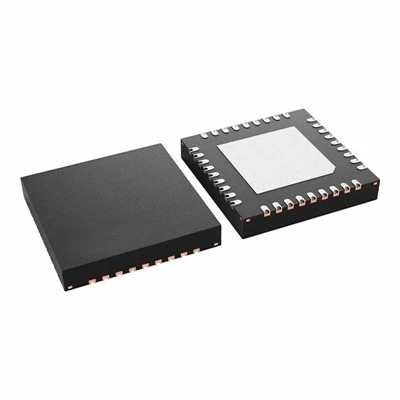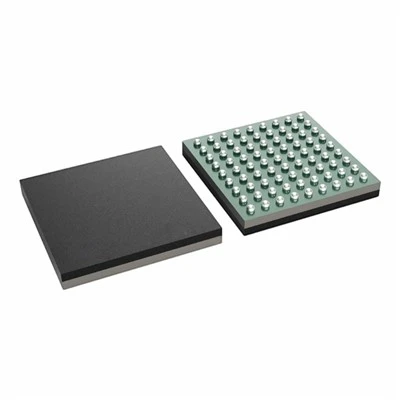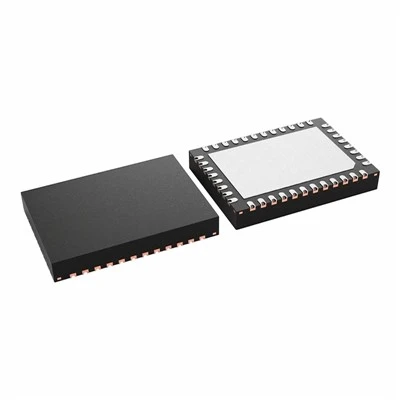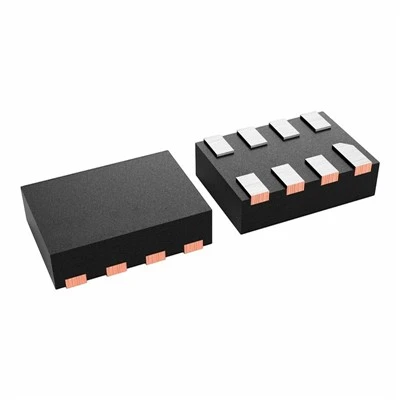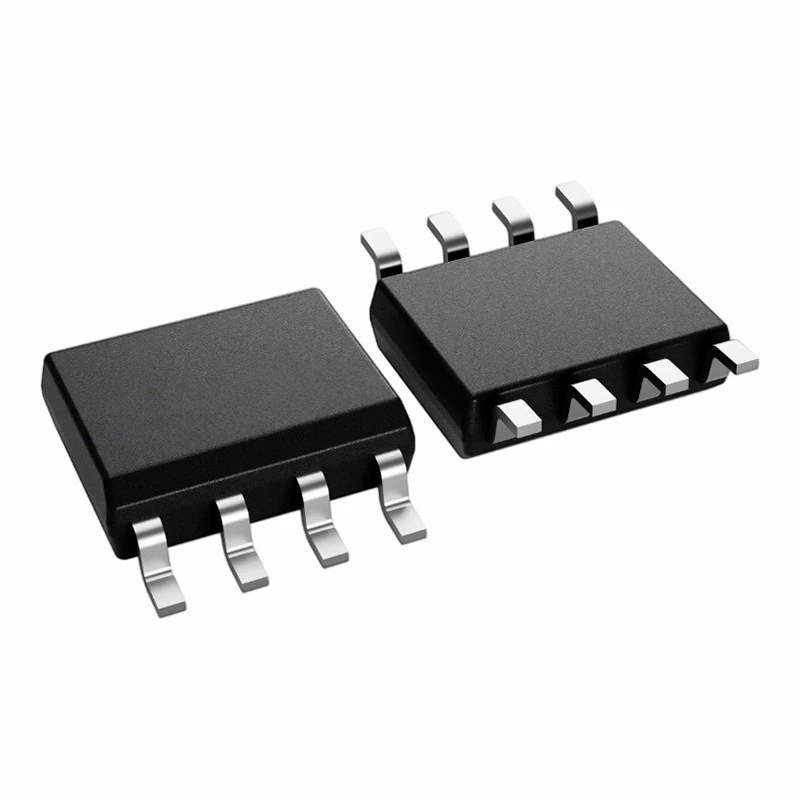
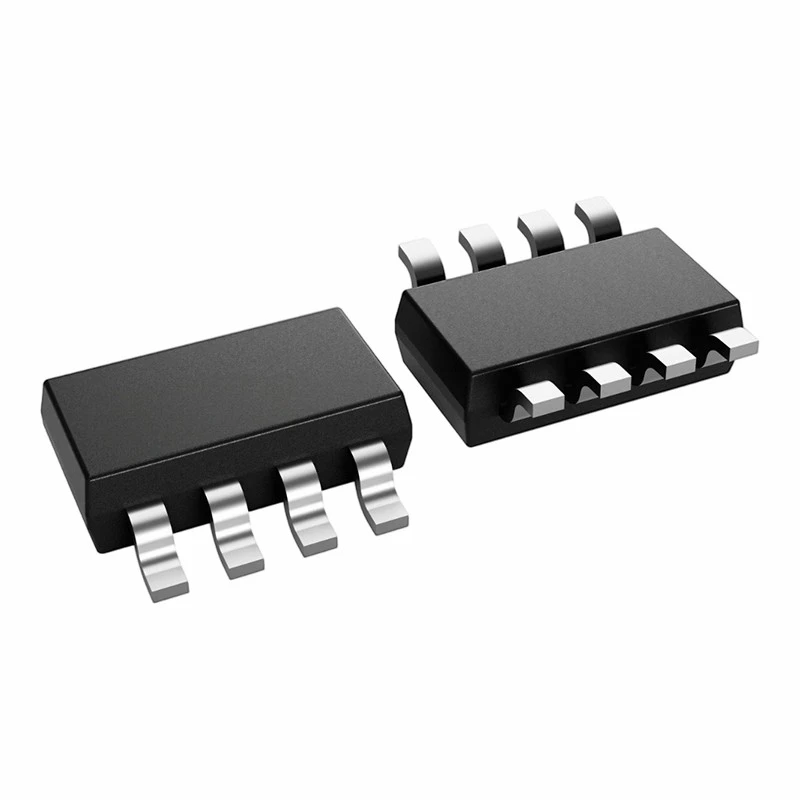
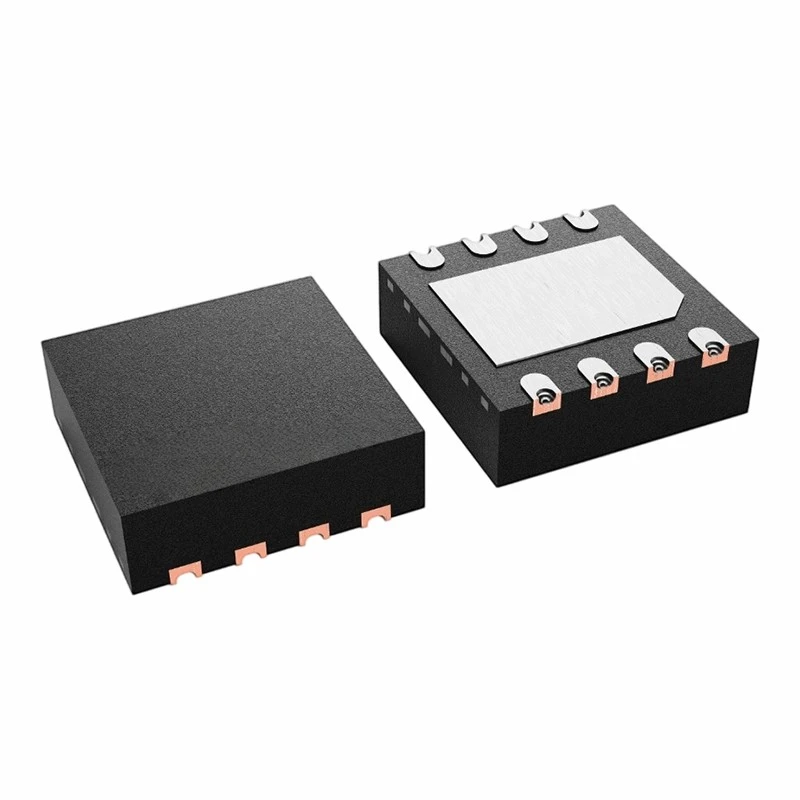
Introduction to CAN transceiver IC
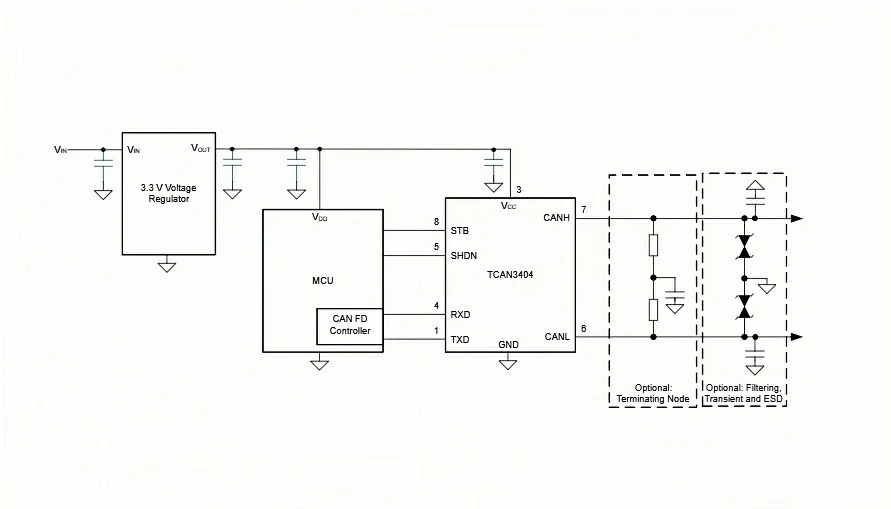
CAN transceiver IC are core components of the physical layer in Controller Area Network (CAN) bus systems. They connect CAN controllers to bus transmission media and enable mutual conversion between digital logic signals and bus differential voltage signals, acting as fundamental components that guarantee stable and reliable communication for the entire CAN bus network.
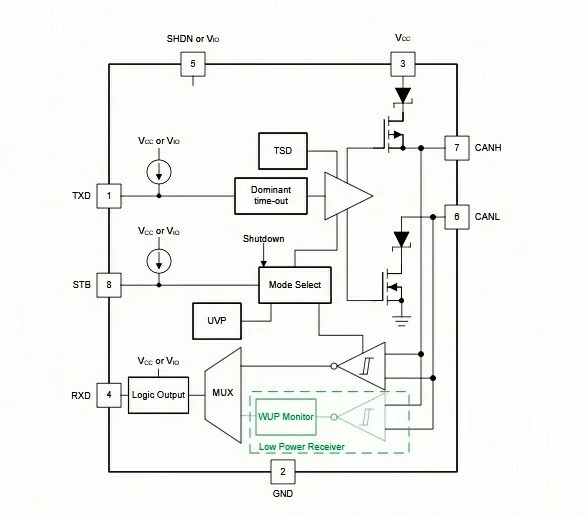
In the CAN bus communication architecture, the CAN controller processes communication protocols and generates standard-compliant digital logic signals. However, its output voltage levels cannot directly meet the requirements of bus transmission. Therefore, CAN transceivers undertake the necessary signal conversion work: on one hand, they convert logic-level signals output by the CAN controller into differential voltage signals required for CAN bus transmission, then send these signals to the bus; on the other hand, they convert differential voltage signals transmitted on the bus into logic-level signals recognizable by the CAN controller, so as to realize bidirectional data transmission. In addition, CAN transceivers also provide functions including bus impedance matching, signal amplification and interference suppression, enabling CAN buses to adapt to complex and harsh application scenarios such as automotive electronics and industrial control systems.
Operating Characteristics of CAN transceiver IC
In terms of working characteristics, current mainstream CAN transceivers support multiple transmission rates, with the maximum supporting 1 Mbps Classic CAN communication. Some new-generation products can also adapt to the CAN FD (Flexible Data-Rate CAN) protocol, with transmission rates reaching up to 5 Mbps or even 8 Mbps, which can meet the transmission demand of larger data volumes. According to different supply voltages, products can be divided into 5 V, 3.3 V and other specifications to adapt to different microcontroller systems; according to application scenarios, they can also be divided into two types: High-Speed CAN and Fault-Tolerant CAN. High-Speed CAN transceivers are mainly used in scenarios with high requirements for transmission rate, supporting a continuous rate range from 10 kbps to 1 Mbps, and are widely used in core systems such as powertrains and chassis control. Fault-Tolerant CAN transceivers, also known as Low-Speed CAN transceivers, can maintain communication by reducing the transmission rate when a bus fault occurs, and are mostly used in body electronics and other scenarios where reliability is highly required but transmission rate requirements are low.
CAN transceiver chips integrate a variety of protection mechanisms to improve operational stability. Generally, they have overvoltage protection, overcurrent protection, overheating protection and short-circuit protection, and can cope with sudden anomalies such as bus short circuits, electrostatic discharge and voltage transients. Some high-end products also integrate fault diagnosis functions, which can report bus fault status to the controller, facilitating system troubleshooting and fault-tolerant processing. In addition, the device itself has strong anti-electromagnetic interference (EMI) capability, and its own electromagnetic radiation (EMC) is also controlled at a low level, which will not interfere with the normal operation of other electronic devices in vehicles and industrial sites.
Specific model of the CAN transceiver IC
The TCAN157x-Q1 is an enhanced high-speed CAN FD SIC transceiver that meets the physical layer requirements of the ISO 11898-2:2024 (Annex A) high-speed CAN SIC specification, supporting a maximum data rate of up to 8 Mbps. These devices use SPI for configuration to access their full set of functions. Via the VIO pin, they support nominal processor I/O voltages ranging from 1.8 V to 5 V, enabling compatibility with low-power processors.
These transceivers support a selective wake-up function (that can trigger wake-up based on a WUF identifier. This function enables partial networking, allowing the system to operate with fewer active nodes while other nodes remain in low-power sleep mode. Both the transceiver itself and its selective wake-up function comply with the specifications of the ISO 11898-2:2024 standard.
The TCAN1576-Q1 is a function-rich device that supports watchdog and advanced bus diagnosis functions. It leverages advanced bus fault diagnosis and communication capabilities to identify specific bus faults, which simplifies the system debugging process.
CAN Transceiver Chip Parameters
The CAN transceiver IC parameters are as follows:
|
Features |
Inhibit, Partial networking, Sleep, Wake |
|
Architecture |
12V, 24V |
|
Bus fault voltage (V) |
-58 to 58 |
|
Protocols |
CAN, CAN FD, CAN SIC |
|
Supply voltage (VCC) (V) |
4.75V to 5.25V |
|
I/O supply voltage (V) |
1.8, 3.3, 5 |
|
Signaling rate (max) (Mbps) |
8 |
|
Number of channels |
1 |
|
Rating |
Automotive |
Hot Tags: can transceiver ic, China can transceiver ic manufacturers, suppliers, CAN Transceiver IC, HDMI DisplayPort And MIPI ICs, IO Link And Digital I O, LIN Transceivers, Multi Switch Detection Interface ICs, PCIe SAS And SATA ICs