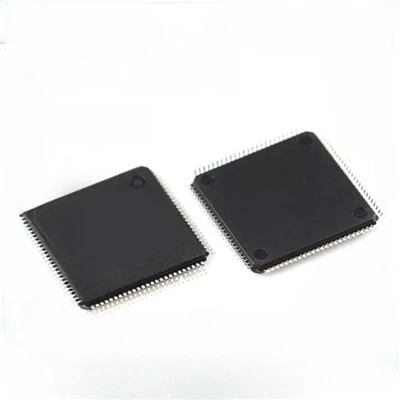
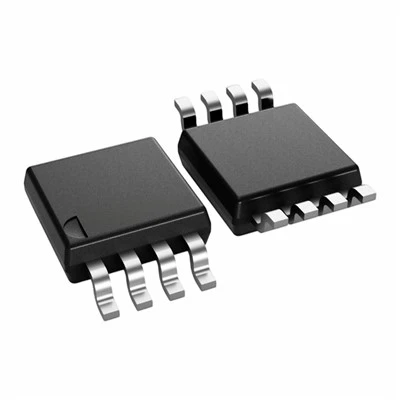
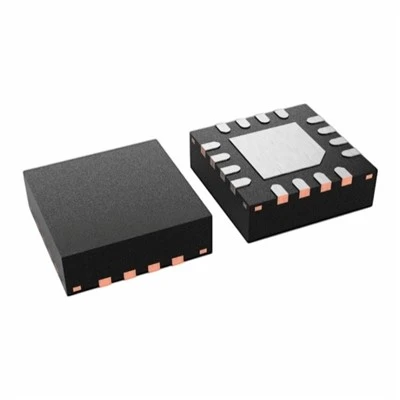
When selecting an isolation chip, a comprehensive evaluation should be conducted based on the actual application requirements. First, the isolation withstand voltage rating needs to be determined to ensure compliance with system safety standards. Second, the transmission rate and number of channels should be considered to meet the requirements of communication interfaces or control signals. Simultaneously, key indicators such as operating temperature range, common-mode transient immunity (CMTI), power consumption, package type, and EMC performance should also be considered.
For industrial equipment, products with wide operating temperature range and high reliability should be prioritized; new energy vehicles place greater emphasis on high voltage resistance and long-term stability; medical equipment needs to comply with relevant safety certification standards. Furthermore, a comprehensive comparison should be made considering product supply stability, brand technical support, and cost budget to select an isolation chip that balances performance and cost, thereby improving the reliability of the overall system design and its market competitiveness.